
The People and The Land
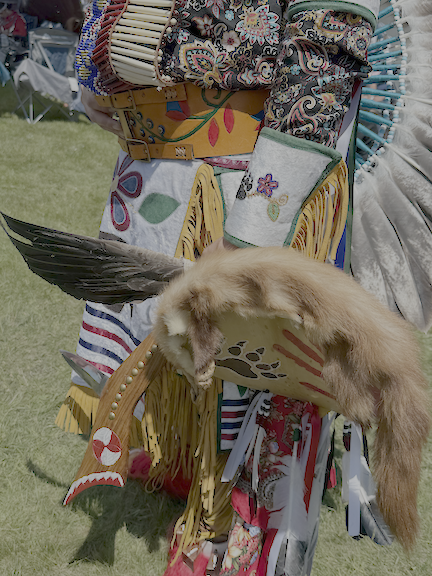
The land where Michigan State University now stands has long been part of the homeland of the Saginaw-Chippewa people, who are descendants of the larger Anishinaabeg Nation—composed of the Ojibwa, Odawa, and Bodéwadmi peoples. The Anishinaabeg trace their origins to the Wabanaki, the “people of the dawn land,” who migrated westward after receiving a sacred prophecy. Guided by the appearance of a Megis shell, they journeyed inland in what is known as The Great Walk, ultimately settling in the Great Lakes region where they found what was promised in the prophecy, “food that grows the water.” This food is manoomin, or wild rice, and it remains a sacred and important food for the Anishinaabeg. This migration gave rise to the Three Fires Confederacy, an enduring alliance among the Ojibwa (keepers of the faith), Odawa (keepers of the trade), and Potawatomi (keepers of the fire), who together maintained social, political, and ecological balance across the region.
The Saginaw-Chippewa, whose ancestry includes both Ojibwa and Odawa lineages, traditionally lived and traveled through what is now the MSU campus. They used the area seasonally for gathering wild rice, hunting, sap collecting, and trading. The land’s wetlands once supported rich ecosystems central to their lifeways, but over time, large-scale drainage and urban development led to the loss of up to 80% of Ingham County’s wetlands and the near disappearance of local manoomin. Today, the Saginaw-Chippewa and other Anishinaabeg peoples remain thriving nations who continue to protect their cultures, languages, and relationships with these lands and waters.
Learn More:
- Visibility of Indigenous Students in MSU’s History
- Inclusive Heritage Timeline (includes original MSU map with Indian Encampment listed)